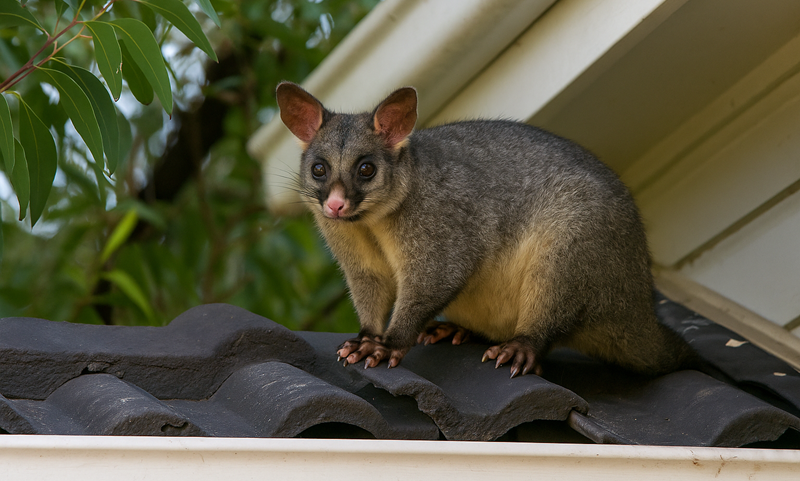
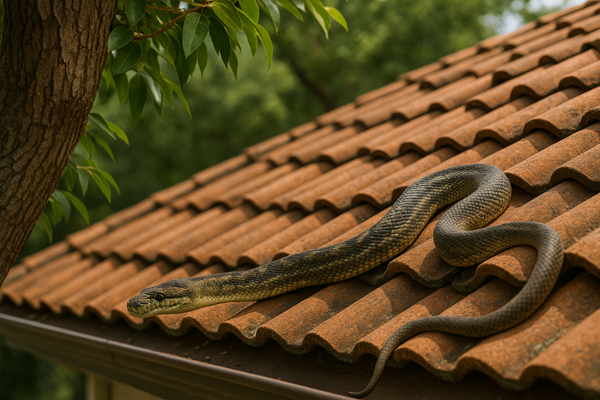
You’d be surprised what kinds of animals decide your roof looks like a decent place to call home. Over the years, I’ve come across plenty of birds nesting in gutters and under tiles — but also the odd possum, and even a snake or two curled up in the roof cavity.
Roofs make an ideal hideout. They’re quiet, warm, up high, and out of reach of predators. But while the animals mean no harm, they can create big problems — blocked gutters, damaged insulation, chewed cables, or worse. If you suspect there’s wildlife up there, it’s important to approach things calmly and safely, for your sake and theirs.
Why Wildlife Love Roofs
It helps to understand why your roof’s so appealing in the first place. Animals are looking for the same things we are: shelter, warmth, and food. Roof cavities stay dry and relatively warm, especially in winter. Overhanging trees or nearby fruit trees make access easy for birds and possums, while rodents might sneak in chasing leftover pet food or rubbish. And if rodents move in, snakes may follow. Some Australian snakes adpat very well to urban environments.
What Animals Are Common in Australian Roofs?
Some of the most common roof visitors in Australia include pigeons, starlings, swallows, and noisy miners. Introduced species like Indian mynas and sparrows are also regulars. Possums — both ringtail and brushtail — are famous for moving into ceiling spaces, often dragging in leaves to build a nest. Snakes sometimes end up in roof cavities too, particularly if there’s food (rodents in particular) or warmth on offer.
Signs You’ve Got Wildlife in Your Roof
There are plenty of clues that something may be living overhead. Scratching or thumping sounds at night usually point to possums, especially if they’re coming and going at dawn or dusk. Birds are noisier during the day — you might hear fluttering, chirping, or even the sound of chicks. If you see sticks, leaves or feathers poking out from under a tile or near a vent, that’s a sign of nesting activity. Droppings around gutters or stains on external walls can also be giveaways. In some cases, you’ll spot a well-worn path or rub marks where animals regularly squeeze in and out.
How to Check Safely Without Disturbing Wildlife
“The key is to check without disturbing the animal” says my mate Aaron, an experienced roofer from Brisbane. Aaron learned his lesson the hard way. During a project that involved roof repointing in Brisbane southside, he was bitten by carpet python – luckily, a non-venomous snake. I barged into a roof cavity banging around with a broom, the snake got scared and attacked.
Start from the ground. Use binoculars if you need to get a closer look at gutters, eaves or gaps in the tiles. If you do need to get up on the roof, tread lightly and don’t poke into holes or stick your hand into any dark spots. If you’re entering the ceiling space, use a torch and have a good look around before moving deeper. And it goes without saying — keep pets and kids well away until you know what you’re dealing with.
What to Do If You Find Wildlife in the Roof
If you do find wildlife nesting in or around your roof, the best move is usually to leave it be and make a call to someone who knows what they’re doing. Possums, for example, are a protected native specie. That means you can’t trap or relocate them yourself — it has to be done by a licensed professional. The same goes for many native birds. Even if the nest seems small or abandoned, you should always check with a wildlife rescue group or pest control expert before removing anything.
In cases where the animal isn’t protected or the situation is more serious (like a snake sighting), calling a professional is not just safer — it’s smarter. They’ll know how to identify the species and handle it in a way that doesn’t cause injury or distress.
How to Prevent Wildlife from Returning
Once the wildlife has moved on or been safely relocated, that’s your window to make sure they don’t come back. Block any entry points — seal up gaps under eaves, install mesh over vents, and check under solar panels for nesting space. If your roof mortar has deteriorated, it’s best to arrange for roof repointing. Possums often get in from overhanging branches, so trimming trees back from the roofline can stop them in their tracks. And if you’ve got food scraps, compost bins or pet bowls near the house, keep them sealed and clean.
Final Thoughts
It’s worth remembering that these animals aren’t trying to be pests. They’re just looking for a safe place to rest or raise their young. That said, your roof isn’t the right place for them — and it’s your job to make sure they stay out, without harm.
I’ve always said that noticing wildlife on your roof is a good sign. It means you’re paying attention. With a bit of care and respect — for your roof and the creatures that visit it — you can keep everyone safe, dry and happy.