
I’ve worked on a fair few rooftops in my time – in the UK, the US, and all across Australia. And if there’s one thing that still makes the hairs on the back of my neck stand up, it’s asbestos. It’s sneaky stuff. Looks harmless enough, especially when it’s been sitting there quietly for decades. But once you disturb it, the danger kicks in.
If you’re working on a roof and think you’ve come across asbestos – stop and get a licensed asbestos expert to test!
Here’s what you need to know, and more importantly, what you need to do. Asbestos safety must be taken seriously!
What Asbestos Looks Like (and Why It’s Hard to Tell)
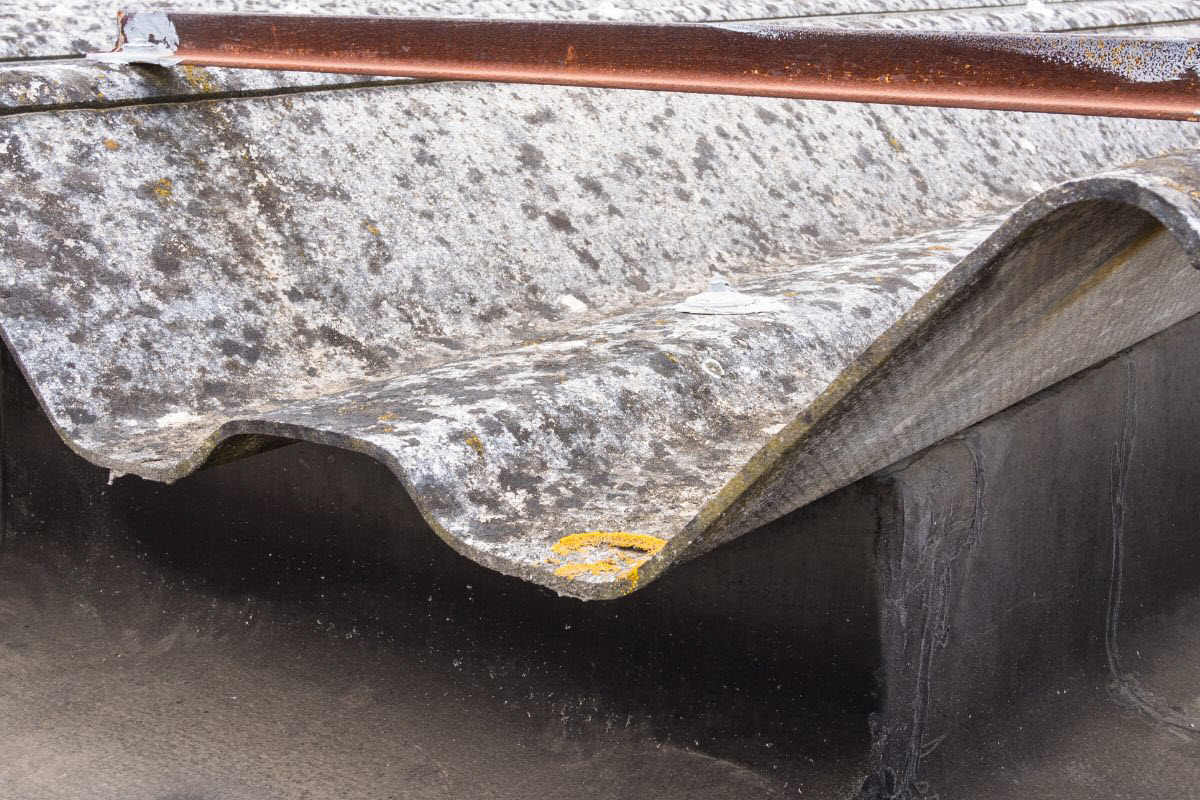
The tricky thing about asbestos is that it doesn’t wave a red flag at you. It hides in plain sight, especially on older Aussie homes built before 1990. You may find it in corrugated cement roofing sheets, imitation slate tiles, eaves and/or ceiling linings, garage roofs, sheds, and flat roofing panels, etc. Every time I was asked to do a project that involved roof replacement in Melbourne, the demolition of the old roof was always a moment for extra caution.
It often looks just like regular fibre cement sheeting – the kind used in fencing or cladding. And when it’s in good condition, it’s not easy to spot without testing. Weathering, cracking, or signs of wear might raise a red flag, but even then, you won’t know for sure just by looking.
Signs You Might Be Dealing with Asbestos
So how do you know when to be cautious?
Start by checking the age of the building. If the home or structure was built before the early ‘90s, you should treat any fibre cement material as potentially asbestos-containing. Even homes from the late 80s can still have leftover stock.
Other warning signs:
- The material is brittle, greyish, and cement-like
- It’s breaking down or flaking
- It’s unlabelled, with no clear manufacturing date
But again – and I can’t stress this enough – you cannot confirm asbestos by sight alone. Which brings me to the most important point.
What to Do If You Suspect It’s Asbestos
Here’s the golden rule: stop work immediately.
I know – it’s frustrating when you’re halfway through a job or under pressure to get things done. But disturbing asbestos without proper precautions puts you, your team, and anyone nearby at risk.
✅ DO:
- Down tools and leave the area calmly
- Let others on-site know about the suspected material
- Secure the area if possible – close doors, mark off the space
- Inform the homeowner or site manager
- Call in a licensed asbestos specialist to take a sample and have it tested
❌ DON’T:
- Try to remove or cut the material yourself
- Use power tools or pressure washers near it
- Sweep or vacuum any dust or debris
- Assume “it’s probably fine” and keep working
This is not something you can guess your way through. The only safe way to confirm whether something contains asbestos is through professional testing by a licensed asbestos assessor.
Don’t Take Chances – Call the Experts
Even if you’ve worked with asbestos in the past, the rules have changed, and rightly so. These days, the best thing you can do is call a licensed asbestos removalist or assessor. They’ll collect a sample, send it to a lab, and let you know exactly what you’re dealing with.
If it turns out to be asbestos, only a licensed professional is legally allowed to remove and dispose of it. It’s not worth the risk – to your health, your business, or your client.
A Quick Word on Health Risks
I won’t go into full lecture mode here, but just know this: asbestos-related diseases are real, and they’re deadly. We’re talking about conditions like mesothelioma, lung cancer, and asbestosis – all of which can show up years (even decades) after exposure.
You don’t need a big exposure event. Just one job, one careless cut, one time without PPE – that can be enough.
And it’s not just about you. If you carry asbestos dust on your clothes or tools, you can take it home. That puts your family at risk too.
Final Thoughts from an Old Roofer
There’s a lot of pride in being able to figure things out on your own – especially in the trades. But asbestos isn’t one of those “have a crack and see” situations.
If in doubt, get out. Then get it tested. Simple as that.
I’ve seen some close calls in my time. I’ve also known a couple of good blokes who were diagnosed far too late. So I’ll say it again: no job is worth gambling your lungs over.
Stay safe out there,
Anthony